The Concept of “Dwelling”
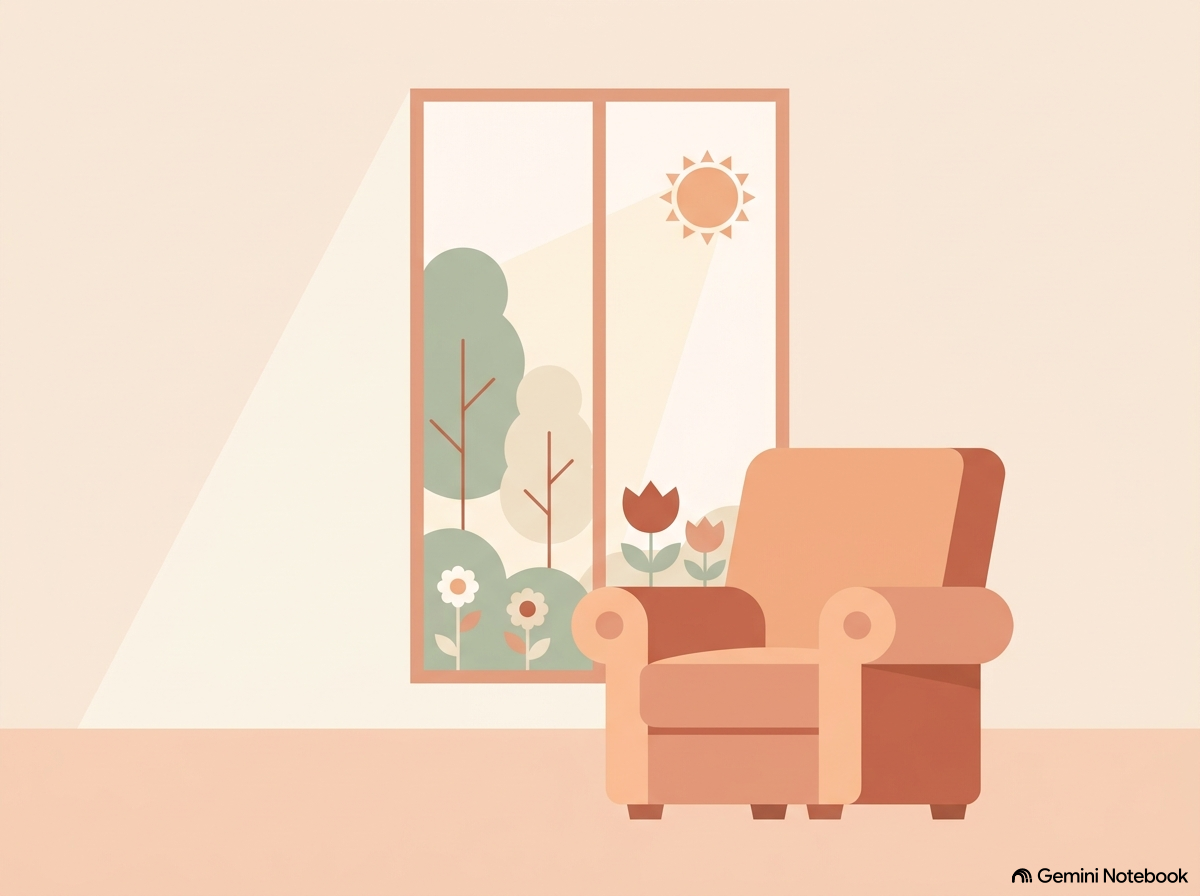
In the realm of patient-centered care, we must distinguish between “inhabiting” a space and “dwelling.” As philosopher Kari Martinsen suggests, dwelling is an active state of being anchored. It reflects the “Participatory” pillar of 4P Medicine, where the individual’s environment is not a passive backdrop but an active partner in wellness promotion.
Home as an Anchor for Identity
Think of your home as a Diagnostic Area for the self. Just as a laboratory is partitioned into specialized areas like Hematology or Molecular Biology to ensure precision, your home contains routines and rituals that serve as the structural pillars for your identity.
- Cognitive Buffering: Familiar environments protect mental health during periods of potential cognitive decline, providing external cues that stabilize internal rhythms.
- Environmental Autonomy: The home allows the individual to maintain their “organizational model” and “individual susceptibility” to health, rather than being subsumed by an institutional system.
The “Pre-analytical Phase” of the Home
In clinical pathology, the Pre-analytical Phase involves controlling every variable (temperature, transport, handling) before a sample is analyzed to ensure the result is accurate. Your home environment is the “Pre-analytical Phase” of your life. By managing your physical surroundings, you control the “specimen” (your body and mind) to ensure that the “clinical outcome” remains one of health and safety.
Actionable Insight: Creating a Sanctuary
To support your Environmental Autonomy and wellness promotion, consider these three clinical strategies for the home:
- Optimize the Pre-analytical Variables: Organize your space to reduce cortisol-inducing clutter and prevent physical stressors before a “health incident” can occur.
- Establish “Islands of Automation”: Use smart-home technology to handle routine monitoring, freeing your “cognitive budget” for higher-level eudaimonic pursuits.
- Preserve the Biological Matrix: Dedicate specific areas to the rituals of daily life—reading, gardening, or nutrition—which serve as the “raw materials” for a resilient mind.
A secure home environment provides the stability needed for the brain-body connection to thrive, specifically through the “Brain-to-Brain Loop” of purpose.