
Based on clinical laboratory medicine and endocrinology, nurses must understand a core set of biomarkers to effectively monitor patient status, recognize early deterioration, and evaluate treatment responses at the bedside.
Here is a comprehensive breakdown of the essential biomarkers a nurse needs to know, organized by clinical system:
1. Inflammatory & Sepsis Biomarkers (Critical Care Monitoring)
When monitoring patients for systemic infections or recovery from surgery, three key biomarkers provide vital clues:
- Procalcitonin (PCT): This is a highly specific precursor of the hormone calcitonin. Under normal conditions, PCT is virtually undetectable. However, in response to bacterial endotoxins and pro-inflammatory cytokines, it is synthesized and secreted ubiquitously by multiple organs. It rises within 2–4 hours of infection, peaks at 6–8 hours, and has a half-life of 20–24 hours.
- Clinical Use: Excellent for diagnosing sepsis and guiding antibiotic stewardship. Levels <0.5 ng/mL generally rule out systemic inflammation, whereas levels >2 to 10 ng/mL indicate severe systemic inflammation (sepsis). Viral infections and autoimmune flares typically do not elevate PCT.
- C-Reactive Protein (CRP): Known as the marker of inflammation par excellence, CRP is an acute-phase protein synthesized by the liver under the control of interleukin-6 (IL-6). It rises within 4–8 hours, peaks at 48–72 hours, and has a blood half-life of approximately 24 hours.
- Clinical Use: Essential for monitoring post-operative healing, evaluating anti-inflammatory therapy, and tracking chronic conditions. A value of <5 mg/L or <10 mg/L is considered normal. Nurses should note that CRP has relatively low specificity for sepsis because its synthesis is easily triggered by non-infectious insults, such as tissue trauma or burns.
- Presepsin (sCD14-ST): A soluble fragment of CD14, which is a receptor on phagocytes that binds bacterial lipopolysaccharides.
- Clinical Use: Serves as a rapid, early-stage sepsis biomarker. Presepsin rises within 2 hours of symptom onset, peaks at 3–4 hours, and has a very short half-life of 4–6 hours. Because of its rapid clearance, it can be measured as frequently as every 5 hours to track acute status. However, levels can be falsely elevated in patients with renal impairment, liver cirrhosis, or heart failure.
2. Cardiovascular Biomarkers
- Cardiac Troponins (cTnI and cTnT): These are highly cardio-specific structural proteins released into the bloodstream following myocardial necrosis.
- Clinical Use: The gold standard for diagnosing acute myocardial infarction (AMI). Serial troponin measurements are especially vital for identifying Non-ST-Elevation Myocardial Infarction (NSTEMI) in patients who present with typical ischemic chest pain but show no diagnostic changes on their ECG.
- B-Type Natriuretic Peptides (BNP and NT-proBNP): These neurohormones are secreted by the myocardium in response to ventricular stretch and volume overload.
- Clinical Use: Primarily utilized in the emergency department to evaluate dyspnea and reliably rule out congestive heart failure, owing to their very high negative predictive value. Nurses must remember that circulating baseline levels naturally increase with age (especially after 50 years), are higher in females, and are heavily influenced by conditions like chronic kidney disease and pregnancy.
3. Renal Function & Endothelial Injury Biomarkers
- Serum Creatinine & eGFR: Creatinine is a product of muscle metabolism excreted by the kidneys. Calculated estimated Glomerular Filtration Rate (eGFR) equations (such as CKD-EPI) use creatinine, age, and sex to stage chronic kidney disease and monitor acute kidney injury.
- Clinical Tip: Creatinine can easily lead to overestimations of kidney function in patients with reduced muscle mass, including older adults, females, or malnourished individuals.
- Cystatin C: This low-molecular-weight basic protein is constantly produced by nucleated cells. Unlike creatinine, it is not affected by muscle mass, gender, or dietary protein intake, making it a highly sensitive and reliable marker of true GFR.
- Albuminuria & Albumin-to-Creatinine Ratio (ACR): Albumin in the urine is a direct marker of glomerular injury and systemic endothelial damage.
- Clinical Use: Spot urine samples are normalized to urinary creatinine to calculate the ACR27. Microalbuminuria is defined as 30 to 299 mg/24 hours or 30 to 300 mg/g of creatinine), and clinical albuminuria (frank nephropathy) is > 300 mg/24 hours. High levels are independent risk factors for progressive end-stage renal disease and cardiovascular events.
4. Biomarkers of Nutritional Status
- Prealbumin (Transthyretin): This protein has a very short half-life of about 2 days and a small total body pool, making it the earliest and most reliable marker of acute changes in nutritional status.
- Clinical Tip: Because prealbumin is a negative acute-phase protein, its levels are downregulated during systemic inflammation or infection, which can temporarily mask a patient’s true nutritional recovery. Its levels can also be falsely elevated in renal dysfunction or hypothyroidism.
- Albumin: With a much longer half-life of 15 to 20 days, serum albumin is a marker of chronic, long-term nutritional status. Like prealbumin, it is a negative acute-phase protein and its levels drop during acute stress, infections, burns, or fluid overload.
- Retinol-Binding Protein (RBP): Has an extremely short half-life of 12 hours and responds rapidly to acute calorie restriction. It is highly sensitive but degrades in the kidneys, meaning levels rise during renal failure.
5. Endocrine & Thyroid Biomarkers
- Thyroid-Stimulating Hormone (TSH): Pituitary glycoprotein that regulates thyroid hormone secretion. It is the most sensitive screening test for primary thyroid disorders40. The typical reference range is 0.4 to 4.0 mU/L.
- Free T4 (fT4) and Free T3 (fT3): Circulating thyroid hormones that are not bound to transport proteins and represent the biologically active fractions41. Measured as part of a reflex algorithm when TSH is abnormal.
- Critical Bedside Nursing Concept— Non-Thyroidal Illness (“Sick Euthyroid Syndrome”): Critically ill, hospitalized, or starved patients frequently exhibit abnormal thyroid panels (characteristically low T3, normal-to-low T4, and normal-to-suppressed TSH). This is a physiological, transient adaptation to reduce cellular energy expenditure. Nurses should know that thyroid hormone replacement is not indicated in these patients, and thyroid indices will normalize spontaneously once the underlying acute illness resolves.
6. Liver Injury & Hepatocellular Function Biomarkers
- Aminotransferases (ALT and AST): Intracellular enzymes released into circulation during hepatocellular injury. ALT is highly concentrated in the liver and is a more specific marker of liver parenchymal damage.
- Alkaline Phosphatase (ALP) & GGT: Primarily used to identify biliary obstruction or cholestatic injury. GGT is also a highly sensitive marker of alcohol consumption. Nurses should note that ALP is physiologically elevated in pediatric patients during bone growth and in pregnant women in the third trimester (due to placental ALP), making it less reliable for diagnosing liver pathology in these groups.
- Albumin and PT/INR: These are direct indicators of the liver’s biosynthetic capacity. Because the liver synthesizes albumin and clotting factors, a progressive decrease in serum albumin and a prolongation of PT/INR indicate worsening liver failure (e.g., progression to cirrhosis).
References
Fröhlich, E., & Wahl, R. (2021). Physiological role and use of thyroid hormone metabolites – potential utility in COVID-19 patients. Frontiers in Endocrinology, 12. https://doi.org/10.3389/fendo.2021.587518
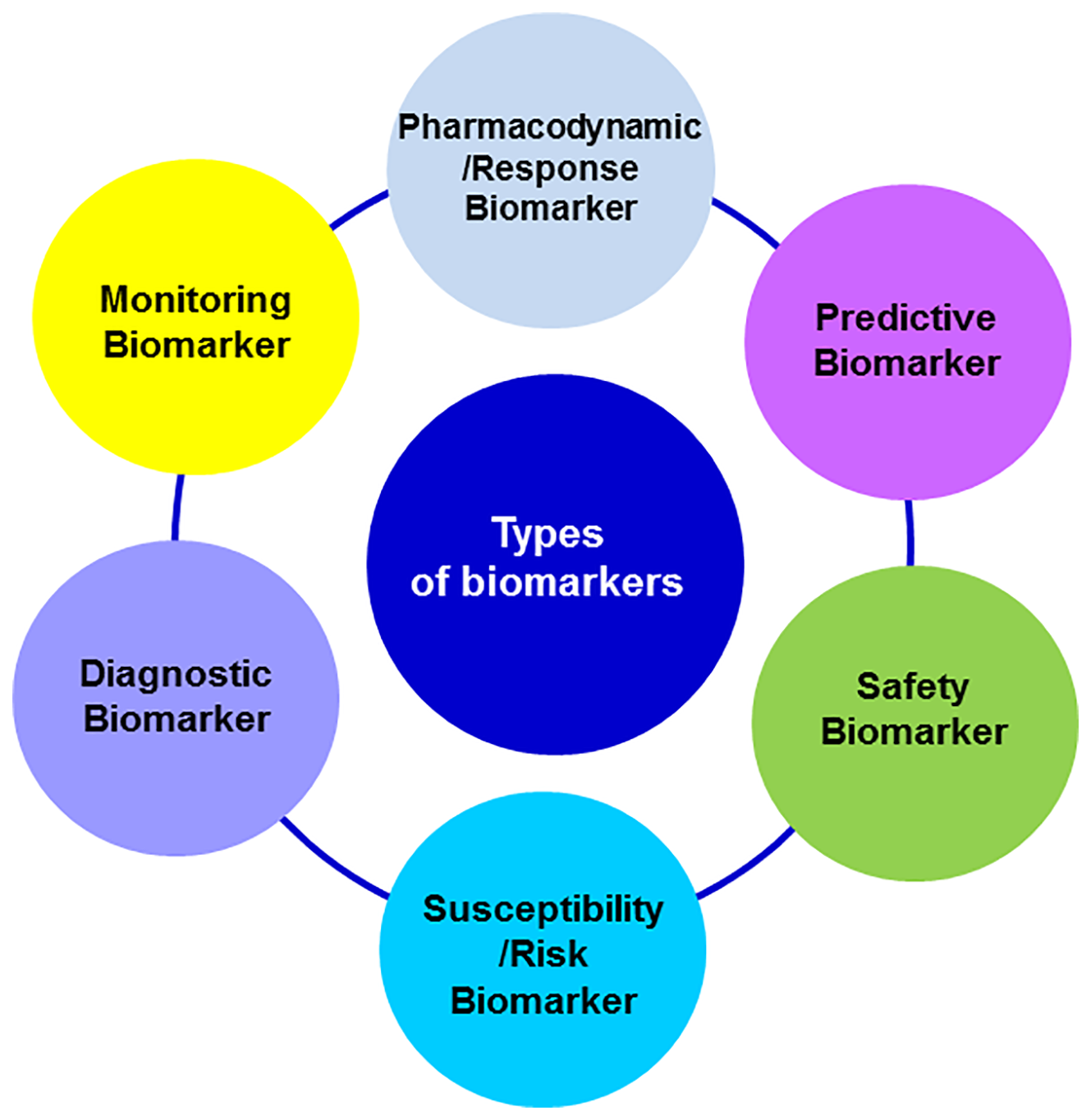
García-Gutiérrez, M. S., Navarrete, F., Sala, F., Gasparyan, A., Austrich-Olivares, A., & Manzanares, J. (2020). Biomarkers in psychiatry: Concept, definition, types and relevance to the clinical reality. Frontiers in Psychiatry, 11(432). https://doi.org/10.3389/fpsyt.2020.00432